Lapis
An Emotional Bio-Wearable · Case Study I: Research
A multi-method human factors study investigating how biometric data and tactile interaction can mediate emotional connection across physical distance.
See It in Action
A project overview and a look at the physical creation process behind Lapis.
A walkthrough of the full Lapis system: the emotional design problem, the biometric data pipeline, the mobile app, and the physical bracelet.
The parametric modeling and SLA fabrication process: how a loved one's heartbeat waveform is translated into a tactile, wearable surface texture.
Problem Framing
The human need that initiated this research.
Physical touch plays a fundamental role in how people experience comfort, affection, and belonging. While technology has made it easier than ever to communicate across distance, it still struggles to recreate one of the most meaningful aspects of human connection: physical presence.
I first encountered this challenge in a deeply personal way. After moving away from my family to pursue my education and career, my father suffered a heart attack. My family waited several days before telling me, hoping to protect me from worry. When I finally learned what had happened, I found myself wishing for something more than a phone call, a video call, or even a keepsake. I wanted something tangible that could bring a sense of his presence into my everyday life and help bridge the emotional distance between us.
That experience led to a broader question: How might technology help people maintain a sense of connection when physical touch is no longer possible?
To explore this question, I conducted interviews with individuals experiencing separation through long-distance relationships, relocation, loss of loved ones, and pandemic isolation. Across these conversations, a common theme emerged: while digital communication supports conversation, it rarely satisfies the need for physical closeness or presence.
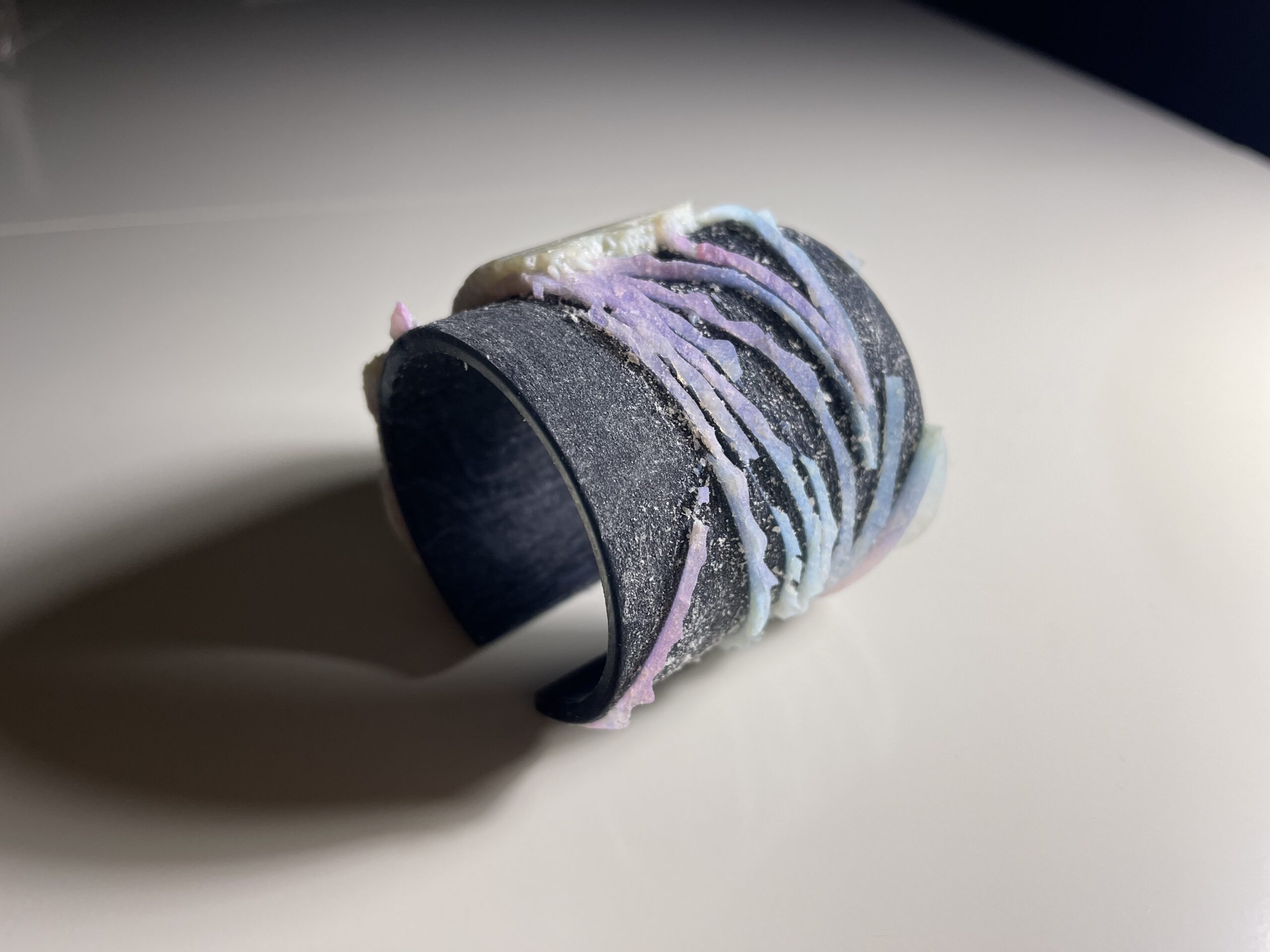
Lapis emerged from this research. Developed as my master's thesis project, Lapis is an emotional bio-wearable that transforms a loved one's ECG data into a personalized accessory worn close to the body. The system combines a mobile application that captures and translates biometric data with a custom SLA-printed bracelet whose surface texture is generated from a loved one's heartbeat.
Designed to function both as a keepsake and as an everyday accessory, Lapis allows people to carry a physical representation of someone they care about as part of their daily life and personal style. Rather than storing memories in a drawer or on a screen, Lapis brings emotional connection into everyday interactions.
This case study documents how I used human-centered research, biometric data, and wearable design to investigate a simple but challenging question: Can technology create a more tangible sense of connection between people who are apart?
of survey respondents keep a loved one's physical belongings, compared to 52.6% who keep photos or videos
of the world's population lived outside their country of origin in 2020, representing hundreds of millions experiencing physical separation (UN IOM)
close loved ones in a person's inner support circle (Dunbar's Number) whose absence triggers the strongest need for physical connection
Neuroscience anchor: Physical touch triggers oxytocin release (the bonding hormone) and measurably reduces cortisol. Digital communication activates different neural pathways. The absence of haptic contact is not a convenience issue; it is a physiological gap that technology has not yet addressed.
Research Framework
A mixed-methods formative process structured around the Double Diamond model and Stanford Design Thinking, spanning six months from discovery to delivery.
- Literature review (neuroscience, HCI, affective computing)
- Naturalistic behavioral data (Reddit analysis)
- Competitive landscape review
- Domain expert consultation
- Screening survey (n=19)
- Semi-structured interviews
- Thematic analysis and affinity mapping
- Persona development
- HMW framing
- Ideation and texture sketching
- ECG data processing (Grasshopper)
- Parametric bracelet modeling (Rhino)
- SLA physical prototype fabrication
- Task-based usability evaluation
- Think-aloud protocol
- Iterative refinement of haptic parameters
- User journey validation
Literature Review
Theoretical grounding in neuroscience, affective computing, and the psychology of material culture.
Research on synesthesia demonstrates that tactile sensations are cross-wired with emotional responses in the brain. Specific textures reliably evoke emotional states, establishing a neurological basis for touch as an emotional mediator rather than merely a physical one.
Physical touch stimulates oxytocin release and measurably reduces cortisol. Skin-to-skin contact activates afferent nerve pathways distinct from visual or auditory communication. The body processes physical presence differently than digital presence.
Anthropological research establishes that humans maintain a stable support clique of approximately five individuals. Separation from this inner circle most acutely activates the need for physical connection, well beyond what casual social contact can address.
Electrocardiogram waveforms are individually unique, shaped by each person's specific cardiac morphology. Similar to a fingerprint, the ECG encodes personal identity, making it a scientifically meaningful proxy for a specific individual rather than a generic heartbeat symbol.
Research in material culture demonstrates that objects acquire sentimental value through association, memory, and biographical connection. People form emotional attachments to physical objects in ways that are qualitatively different from how they relate to digital media.
Affective computing establishes the theoretical framework for systems that recognize, interpret, and simulate human emotion. It creates grounding for biometric-to-artifact pipelines where physiological data becomes emotionally meaningful output.
Naturalistic Behavioral Data
Unsolicited, ecologically valid data on how people cope with physical separation, drawn from online community discourse.
Prior to conducting structured research, I analyzed posts across Reddit communities and social media platforms where users shared unsolicited experiences of physical separation. This naturalistic data captures authentic coping behaviors free of researcher framing, providing ecologically valid insight into real user needs that survey instruments cannot reliably surface.
"I wear my dad's necklace every single day since he passed. I don't care how it looks with my outfit. I just need to feel it against my skin. It's the closest thing I have to his hand on my shoulder."
Representative of a recurring behavioral pattern: users seeking skin contact with objects associated with absent loved ones, prioritizing tactile sensation over visual display or social appropriateness.
"My mum's scarf still smells like her, three years on. I keep it sealed in a bag so the scent won't fade, which means I can never actually wear it. Not to work, not in summer, not just because I need her close that day. Most of the time it lives on my shelf in a ziplock bag. I know it's there. But I never actually get to feel it on me when I need it most. What is even the point of a keepsake you have to protect from being used?"
Captures the core accessibility gap in traditional keepsakes: an object too precious to risk in daily life becomes unavailable precisely in the moments of need it was meant to serve.
Methodological note: Naturalistic data from unsolicited community discourse carries ecological validity advantages that structured surveys cannot replicate. Participants express genuine needs in their own language, free of researcher framing. This data directly informed the survey instrument and the semi-structured interview guide.
Quantitative Findings
Screening survey (n=19) validating key hypotheses about keepsake behavior and emotional connection.
Qualitative Research
Semi-structured interviews with individuals experiencing separation through distance, relocation, loss, and pandemic isolation.
Participants were recruited across separation contexts. A semi-structured format allowed for exploratory follow-up while ensuring cross-participant comparability. Transcripts were analyzed using affinity mapping to surface emergent themes.
Across all contexts, participants reported that video calls and messaging satisfied the need for information exchange but did not address the feeling of physical absence. The absence of touch was the most frequently cited unmet need.
Participants described unprompted behaviors around physical objects, including wearing loved ones' clothing, carrying their jewelry, keeping items with their scent. These behaviors persisted even when abundant digital media was available.
Participants noted frustration when keepsakes were too large, fragile, or contextually inappropriate to carry consistently. The ideal keepsake was described as wearable, unobtrusive, and socially versatile, able to be present across contexts without requiring explanation.
Participant Voices
Direct quotes from semi-structured interview participants
"Since losing my son in a car accident, every day after work, I go to his closet, hold his clothes, and breathe in his scent."
"I kept my wife's Apple Watch because it contains the last recordings of her heartbeat. Every time I look at them, I feel as though a part of her is still with me. They remind me of her love and compassion."
Research Synthesis
How each research finding directly drove a specific design decision and the evidence-to-design chain.
| Research Finding | Source | Design Decision |
|---|---|---|
| 78.9% prefer physical objects over photos for emotional connection | Survey (n=19) | Physical wearable bracelet rather than a digital display or app-only solution |
| People need keepsakes they can carry daily across social contexts | Interviews | Bracelet form factor: unisex, wearable every day, no special occasion required |
| Keepsake value is symbolic and must represent the specific person | Survey Fig 2 (70.6%) | ECG waveform as texture source, uniquely identifying the loved one like a fingerprint |
| Touch triggers oxytocin; skin contact is physiologically distinct from visual input | Neuroscience literature | Raised tactile texture on wrist placement to maximize daily skin-to-surface contact |
| PPG heartbeat capture is feasible via consumer smartphone camera | Competitive analysis + literature | Phone camera and flashbulb capture, removing the hardware barrier |
| Keepsake preferences are deeply personal across style and aesthetic | Naturalistic data + interviews | Style preference questionnaire in app, generating personalized design options |
| Wrist is proximate to the pulse, neurologically and symbolically significant | Neuroscience + HCI literature | Bracelet chosen over ring, pendant, or clip to reinforce the heartbeat symbolism |
From Research to Design
How research insights were translated into a tangible system through ideation, parametric modeling, and physical fabrication — the complete design pipeline.

Research confirmed that the texture must feel personal, not decorative. I began with hand sketching, exploring how an ECG waveform could be expressed as a surface pattern — from organic wave forms to structured rhythmic lines. Each sketch tested a different emotional register: fluid and soft, angular and mechanical, or layered and complex.
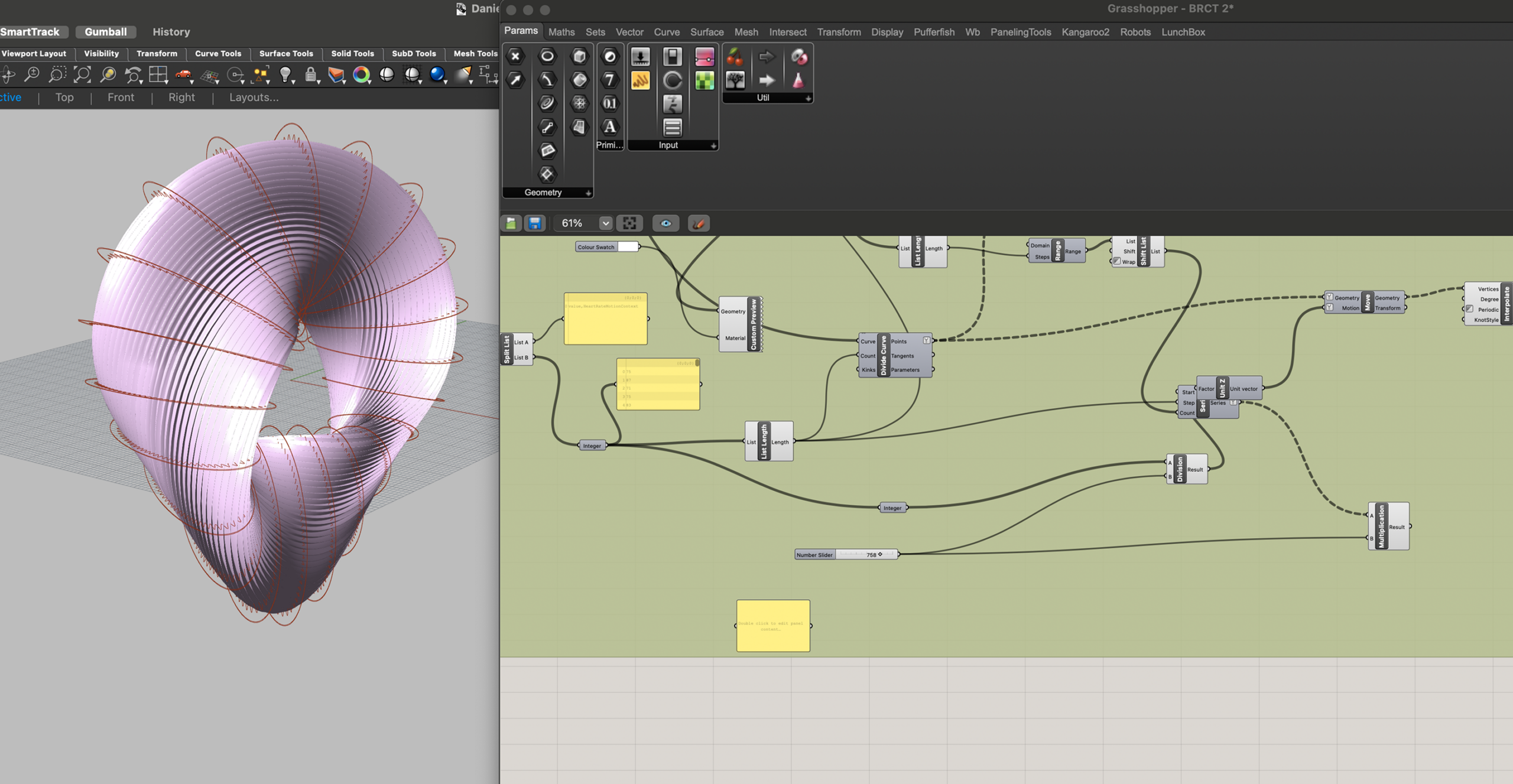
The ECG waveform captured via the mobile app was fed into a Grasshopper script that translated biometric amplitude data into three-dimensional surface geometry. Each heartbeat peak and trough became a ridge or valley on the bracelet surface — creating a texture that is mathematically derived from the loved one's biology.
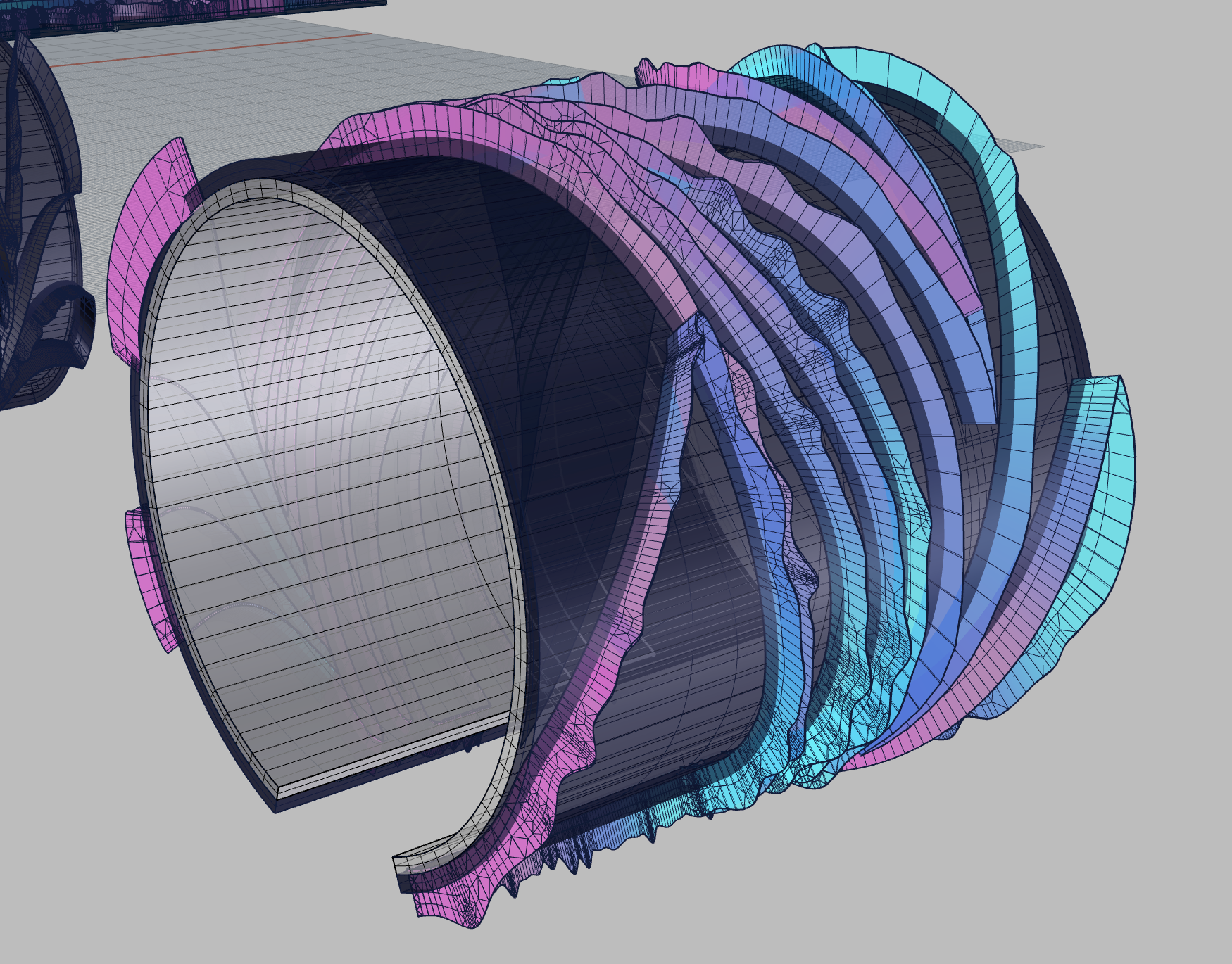
The parametric output was refined in Rhino into a wearable bracelet form. The ECG-derived surface texture wraps the exterior, creating a ridge pattern that is unique to each person's cardiac data. Multiple iterations tested how the curvature of the bracelet affected the perceived texture and tactile experience at the wrist.
User Population & Persona
A research-derived user archetype synthesized from interview participants, survey data, and naturalistic behavioral observations.
Sonia relocated from Kraków at 23 for a software engineering opportunity. The decision made sense at the time. What she underestimated was the cost of it: leaving behind daily proximity to her mother, the physical ease of that relationship, the kind of presence you stop noticing until it is gone. Five years later, they speak every morning over video. Sonia props her phone on the kitchen counter while making coffee, half-present across time zones. The ritual holds the relationship together. It does not replace what distance removed. What she carries in her bag tells a different story. A worn paperback her mother pressed into her hands at the departure gate, not a book she rereads but an object she reaches for. On the hard days, touching it is the closest thing she has to reaching for her mother. She knows this. She does not have anything better.
Target population: Individuals aged 20 to 60 experiencing physical separation through immigration, long-distance relationships, bereavement, or prolonged isolation. Tactile individuals for whom physical touch is a primary attachment modality. Technology-comfortable and fashion-aware. Lapis must integrate with identity and daily style rather than stand apart from it.
Usability Evaluation
Task-based formative evaluation protocol and iterative refinement in response to findings across both software and hardware prototypes.
Evaluation was conducted using a think-aloud protocol with wireframe and functional prototypes. Participants from the target population completed a representative task sequence: heartbeat capture, style selection, design review, and bracelet selection. Three primary challenges were identified and resolved through documented iteration.
Early prototypes collected too few heartbeat data points, producing a fragmented, irregular texture line. Users were also uncertain how long to hold the phone camera still, creating task anxiety and early abandonment.
Line height and thickness directly impact both haptic perception and SLA print fidelity. Early iterations were either imperceptible (too thin) or uncomfortable during sustained wear (too thick). The balance between perceivable haptic feedback and wearability required multiple physical fabrication cycles.
The conceptual bridge between "cardiac waveform data" and "physical presence of a loved one" was not immediately intuitive. Some participants described early iterations as feeling "scientific" rather than personal. The emotional meaning of the ECG texture was not self-evident.
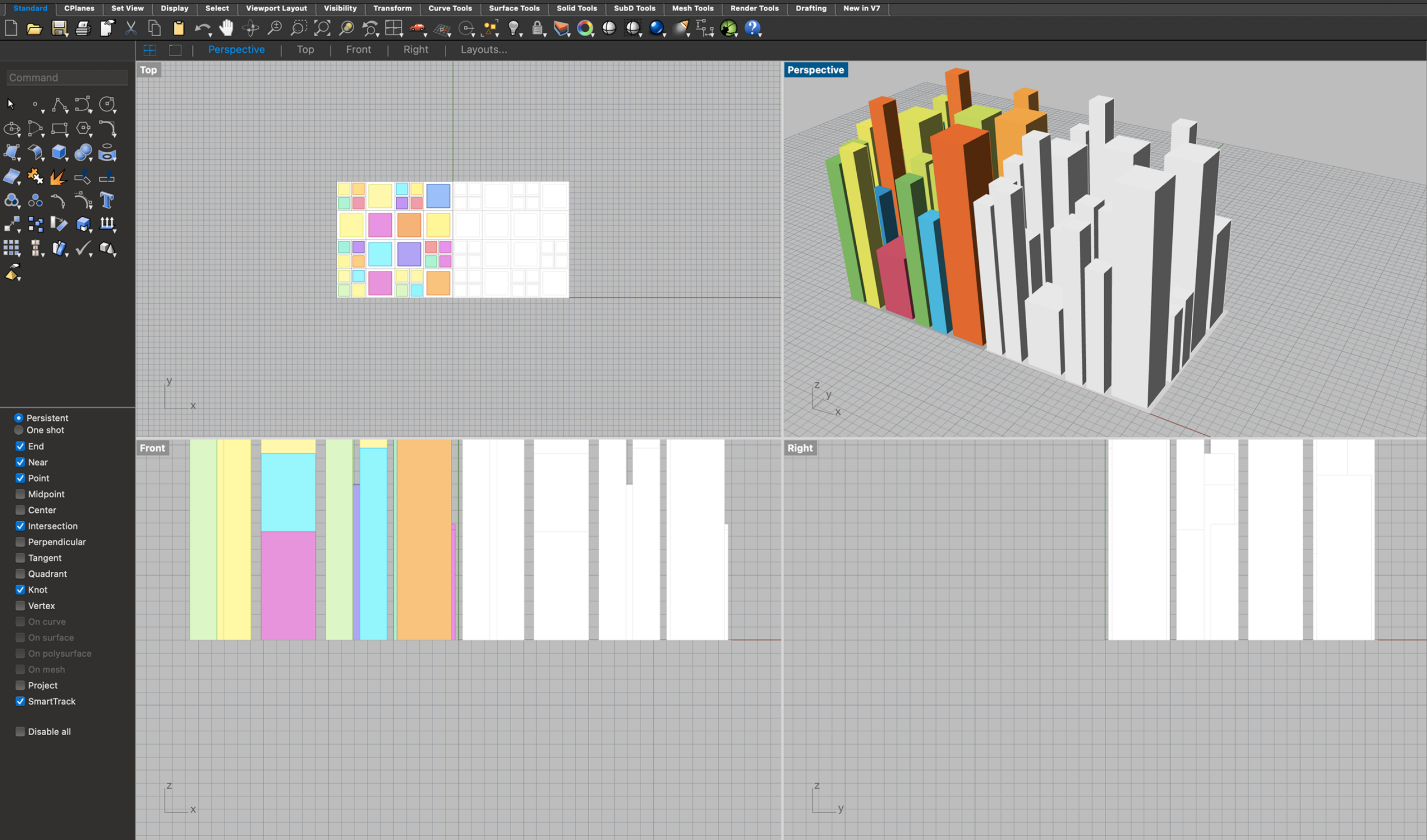
Flat ECG surface tile generated in Rhino, showing the waveform-derived texture before it is mapped onto the bracelet curvature. Each ridge corresponds to a peak in the loved one's cardiac data.
Participant Response
Usability participant, app flow evaluation
Participant, bracelet prototype evaluation
Usability participant, concept evaluation
Participant, refined prototype tactile evaluation
Outcomes
Research-validated results and the transfer of findings to medical and health-tech contexts.
78.9% preference for physical objects validated the tactile wearable concept before any design work began. Research findings de-risked the core product hypothesis early in the process.
Testing revealed that relying solely on heartbeat waveforms produced patterns that felt too repetitive. Similar peak shapes across participants meant the generated textures lacked the variation needed for meaningful tactile distinction. This finding led us to introduce greater diversity into the waveform generation: higher and lower peaks, sharper and smoother curves, and varied rhythms. The result was richer, more distinctive tactile textures that better supported each person's intended emotional expression.
Three or more SLA-printed bracelet iterations produced optimized haptic parameters for tactile quality, wearability, and print fidelity, validated through hands-on user evaluation rather than assumptions.
Participant responses to the refined prototype confirmed successful design-to-emotion transfer. Unprompted references to "feeling a piece of someone's body" indicated the intended outcome was achieved.
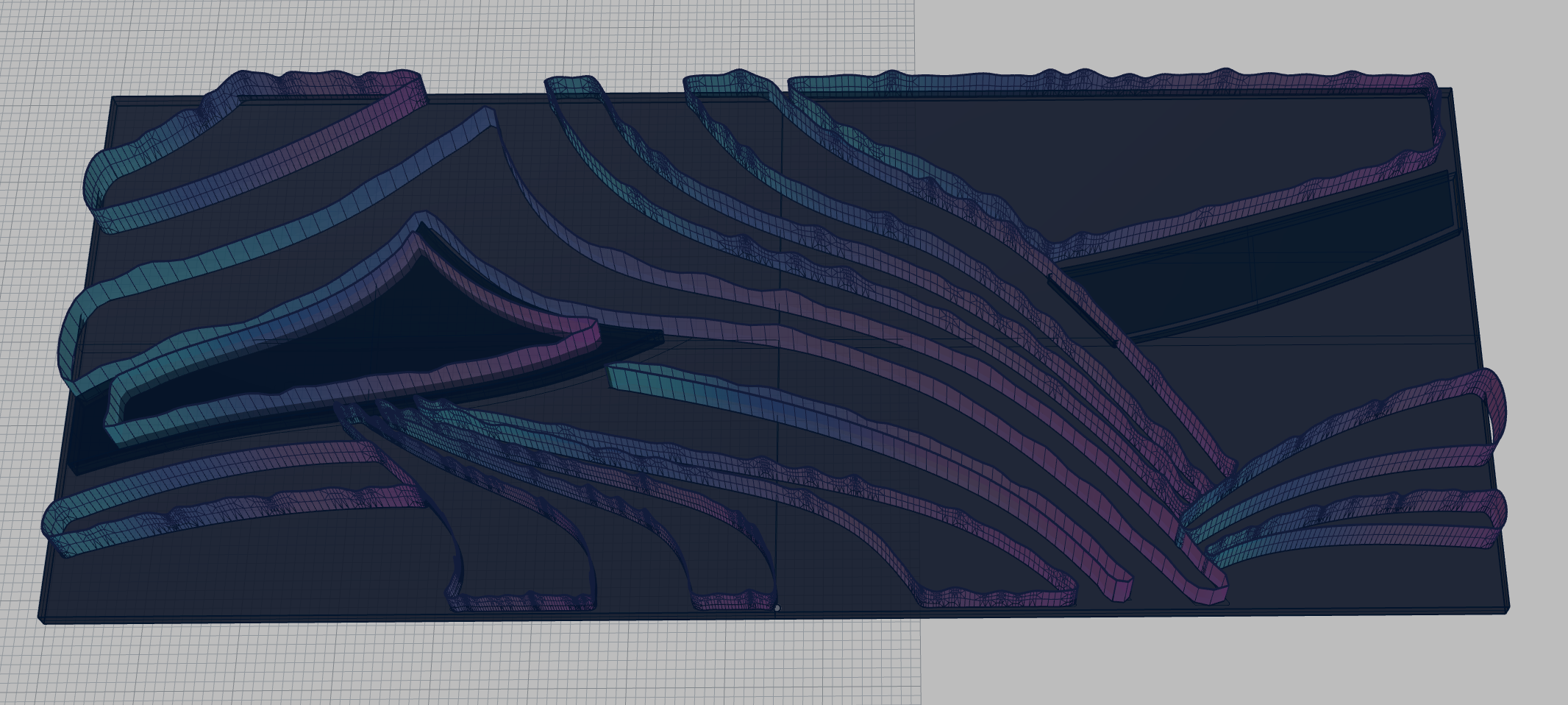
Rendered ECG surface geometry — the core design artifact. Each bracelet's texture is unique, generated directly from the loved one's biometric data.
Research Principles with Direct Medical Application
The human factors research principles applied in Lapis, including biometric data collection via consumer devices, tactile affordance design, wearable form factor constraints, and emotional wellbeing outcomes, translate directly to medical device and health-tech contexts. The same mixed-methods research methodology that validated Lapis's design is applicable to clinical wearable development.
Reflection
Honest evaluation of the research process and what I would approach differently.